
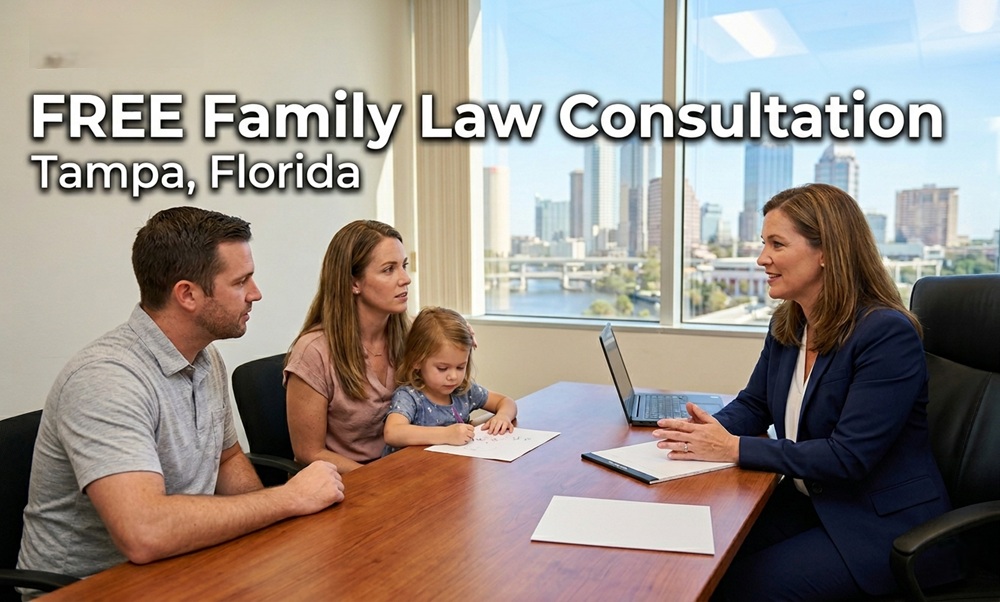
Family legal matters — divorce, child custody, alimony, adoption — are some of the most emotionally intense situations a person can face. If you’re in Tampa and need a family lawyer, a free consultation is your first real opportunity to understand your rights, assess your options, and decide if an attorney is the right fit. Knowing how to make the most of that consultation can save you time, money, and a lot of stress.
What a Free Consultation Actually Is (and Isn’t)
A free consultation with a Tampa family attorney is typically a 20–45 minute meeting (in person, by phone, or video). It’s designed to:
- Let you describe your situation
- Help the attorney assess whether they can help
- Give you a general overview of applicable Florida law
- Discuss how the firm handles cases and their fee structure
It is not a full legal strategy session. Don’t expect specific legal advice about what you should do — that comes after you’ve hired the attorney and they’ve reviewed all the facts and documents.
What Florida Family Law Covers
Florida family law governs a wide range of matters relevant to Tampa residents:
- Divorce (Dissolution of Marriage) — Florida is a no-fault divorce state; either party can file based on irreconcilable differences
- Timesharing (Child Custody) — Florida courts focus on the “best interests of the child” and generally encourage both parents to be involved
- Child Support — calculated using Florida’s income shares model based on both parents’ income and timesharing arrangement
- Alimony — Florida law was significantly revised in 2023, eliminating permanent alimony and establishing guidelines for duration and amount
- Equitable Distribution — marital assets and debts are divided fairly (not necessarily equally) in Florida
What to Bring to a Free Consultation in Tampa
Come prepared to make the most of the time:
- A brief written summary of your situation (dates, key facts)
- Basic financial information (income, major assets, debts)
- Relevant documents if you have them (existing orders, prenuptial agreements, lease or mortgage info)
- Your questions — written down in advance so you don’t forget them
Questions to Ask During the Consultation
- What are my realistic options given my situation?
- What is your experience with cases like mine in Hillsborough County?
- How do you communicate with clients (email, portal, phone)?
- What is your fee structure — flat fee, hourly, or hybrid?
- Who will actually handle my case — you, or a junior associate?
Tampa Family Court: What to Expect
Hillsborough County family law matters are handled in the Thirteenth Judicial Circuit Court in Tampa. Florida courts encourage mediation before contested hearings — most divorce and custody disputes go through at least one mediation session before a judge decides contested issues.
Expert Insight
Florida’s 2023 alimony reform changed the landscape significantly. If you were advised about alimony before mid-2023, get updated advice — the rules on duration and type of alimony have changed, and it affects both payers and recipients in Tampa divorces.
Common Mistakes to Avoid
- Going to a consultation without any documents or basic facts prepared (you’ll waste half the time on basics)
- Choosing an attorney based solely on the lowest hourly rate (experience in Hillsborough County courts matters)
- Assuming mediation is optional — Florida judges expect it
- Using a general practice attorney for a complex custody battle (family law specialization matters)
FAQs
Q: How long does a divorce take in Tampa, Florida? A: Uncontested divorces can finalize in 3–4 weeks after the mandatory 20-day waiting period. Contested divorces often take 9–18 months.
Q: Can I get a free consultation for a custody modification case? A: Yes — most Tampa family attorneys offer free consultations for all family law matters, not just initial divorce filings.
Q: What if I can’t afford a family attorney at all? A: Bay Area Legal Services (BALS) provides free civil legal help to income-eligible residents in the Tampa area, including family law matters.
Conclusion
A free consultation with a Tampa family attorney is a low-risk way to get clarity in a confusing situation. Come prepared, ask the right questions, and treat it as an interview — you’re evaluating them as much as they’re evaluating your case. Florida family law changed significantly in 2023, so make sure you’re getting current advice from an attorney who practices regularly in Hillsborough County’s family courts.